Welcome to Mark's Corner
"I am for a life around the corner..."
--Bryan Ferry and Phil Manzanera, Manifesto by Roxy Music
|
|
|
I started thinking about work around the age of three. I may not have had the typical childhood career aspirations, like fireman or president. But even then, I wanted to do work that was meaningful and served the community.
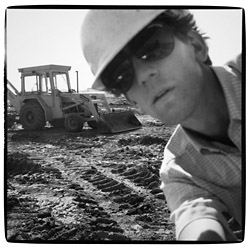
As we drove by the town square in Enid, Oklahoma, I stared out the car window toward businesses that lined the streets opposite the County Courthouse. I noticed a crumbling curb and buckled sidewalk on the corner in front of a store. I blurted out, "I want to work there." Family members in the car assumed I meant I wanted to work in the store. And it only made less sense to them when I corrected them by telling them I wanted to work on the sidewalk, to fix it.
It wasn't for the fun of driving a backhoe or pouring cement. I wanted to make the town better. It's a concern that stayed with me for most of my life.
Nine years later I spent my nights on some questionable city streets, folding papers and throwing the Dallas Morning News before my Seventh Grade classes. During Eighth Grade, I started working as a surveyor and draftsman (map maker, basically) for my father's Engineering company. There was no allowance for slacking off by being the owner's son. In fact, the boss was harder on me than others on the crew. When they left for the day, we finished surveying jobs on tight deadlines near dark and sometimes in miserable conditions. Several times we raced approaching lightning storms, dragging a 100 foot metal measuring chain along busy highways and through wet fields, wading across swollen rivers and chopping through bamboo thickets. Being shot at by suspicious and angry property owners seemed to be light duty compared to extending runways on a nuclear air base to accomodate bigger bombers, with the heat of launching jets radiating down on us, while wearing fire retardant suits in the extreme temperatures of a Kansas summer.
I worked as a surveyor, draftsman and residential designer through high school and during summers away from college, adding many abilities to my pretty advanced set of skills for someone my age. I had already designed houses and worked with construction crews to build them, all before graduating from high school.
But while in college, I made a drastic change of course in my career. For a variety of reasons, I got interested in media and communication. I became a volunteer for organizations that protested the Ku Klux Klan, while taking on the serious role of surveillance photographer. Having Klansmen chase me out of their bookstore at gunpoint was not as scary as realizing that I was also the subject of their surveillance. I covered stories for local entertainment papers and the University of Houston student newspaper, taking on new editor positions each semester. I faced a serious prior restraint case (as university administrators attempted to censor one of my publications) and other controversies as a student leader.
As ironic as it seems today, following graduation I became a public relations staff member for the university. Working as a photographer, writer, event planner and fundraiser, I met and worked with U.S. presidents, world leaders, Nobel prize recipients, astronauts, scientists, researchers, activists, social workers, and many others.
During my many years at the university as a student, staff member and visiting lecturer, I planned educational events around social and political causes, and informed students about local and international conflicts, from the Allen Parkway Village housing project to Apartheid in South Africa. While I worked for the administration, I started an inter-university organization, making it possible for myself and fellow faculty and staff to produce and share cultural and educational events for students across the city, through participation of several area colleges. The association eventually became the citywide non-profit organization Houston Institute for Culture (HIFC).
Read more about my work history at Vision for Houston
After many years in university promotion and non-profit service, I faced a serious dilemma. It had been very hard to leave the university to pursue building the Houston Institute for Culture (HIFC), but I did it to make the organization more effective and successful. Though it was a tremendous struggle for me, earning only 25 percent of my previous income, I made it happen and considered stability to be possible in the future. Though managing the non-profit organization required substantially more time and effort than my job at the university, it was the most rewarding work I had ever done. HIFC was valuable to the community and served numerous marginalized and at-risk populations.
|
|
The organization provided several important city-wide events for ten years, like Juneteenth, the celebration of the end of slavery, and Carnival Connection, a cultural exchange program benefiting Gulf Coast and Caribbean artists (an especially valuable service following the devastating hurricanes Katrina and Rita). A variety of youth camps and after-school programs were established, which helped students be more engaged in academics and their communities. The programs met critical challenges, like media literacy and environmental education, to help students involve their peers in their efforts to make a better school, neighborhood, and even a better world.
Though mostly successful (I use that qualification because I have unusually high expectations), my work on the organization activities came to feel like I was doing the workload of dozens of people by myself, and rarely sleeping. Helpful volunteers meant well, but the organization effort needed a paid staff with significant time to dedicate to difficult challenges. And the many valuable lessons I learned while researching and working in many inner-city, industrial and border communities were not being well utilized or implemented effectively. The program efforts needed to expand to reach more students and communities, and they needed much greater support. I hoped to find more capable leaders who felt similar imperative in the organization mission to help us move up to the next level.
Simultaneously, I believed I needed to have more time to write about important cultural, social and economic issues. I believed the ideas, research and lessons I learned should be shared more widely with a concerned and growing population of community advocates in a book or guide. And I constantly wished I had more time and resources to publish materials from my archives.
I hoped my goals would someday fit better into the organization's expansion, as civic and business leaders realized the value of cultural institutions - like a future museum of culture and an education resource center - for community education and social improvements, and to raise the city's reputation as a cultural center to interest larger numbers of national and international visitors.
As a somewhat visionary person who understands the great potential of Houston to be a world-class city, 2014 was at the very least a serious detour along the way. The city's major cultural event, the Houston International Festival (which I enjoyed for many years and volunteered for occasionally), came to an end due to high costs of operating. Another visionary individual, who tried to provide services in some of Houston's most at-risk communities, was murdered in one of the locations he planned for his efforts to serve. The Artery, a fantastic arts and community space, and one where I volunteered and produced numerous events, closed after 24 years. And several other important forums and community efforts came to an end.
I wound down my work with the organization and left any future plans in the hands and vision of other volunteers. I took a more regular job and concentrated on research and writing. Mainly, I discovered that it is extremely difficult to leave behind all the program achievements that make up almost 20 years of my life. And it's hard to believe that I have the ability to do even more for the world in the future. Described in the blog below is the focus of my work now, which I will take on from my tiny work space called "Mark's Corner".
Mark's Corner is a central location for me to provide information about my projects, from the archives I plan to share with everyone who is interested to opportunities for others to be involved in community activities and making a better world. Interesting features, progress reports, updates and links to information will be posted in the topical posts below.
Please be patient and check back periodically. I only recently began to develop my new projects. Connect with me by social media. I'll share updates through the links provided below.
|
|
|
Across the Great Divide
The forthcoming book is about the growing divides that plague our nation - cultural, social, religious, political and economic.
Outside of that, I'm not yet ready to reveal much about my plan to write the book, other than that I have made tremendous progress with my concept and research. Though I believe it is important, I haven't yet fully believed I can complete such an ambitious project.
While getting some feedback from friends, I produced a somewhat lengthy, rambling note with a bit of information at:
www.facebook.com/notes/10153189095698627/
I also plan to establish a blog with topics from the book, research updates, links to sources and statistics, fun facts, nostalgia and interactive comments. That will be the fun part. Editing down to my current page goal has me virtually paralyzed with fear.
|
|
Community Advocate Network
As soon as I can say the writing and editing of my book is in hand, I will launch an effort to involve people in community improvement by empowering larger numbers of community advocates. The campaign will arm them with powerful information about forces and conditions that marginalize communities and put community members at risk. The information and strategies for change will be explored and supported in the book, Across the Great Divide, which I am currently working to complete.
The Community Advocate Network website will be located at www.communityadvocate.org and our Advocate Community will connect on Facebook at www.facebook.com/advocatecommunity.
|
|

|
Localistas - Arts, Culture and Media
Localistas will be a companion effort to the Community Advocate campaign. It will focus on the educational, economic and quality of life benefits of local arts and media, along with the role of diversity in our ways of life.
The Localistas website will be www.localistas.org and a Facebook page is being developed. Its link will be available soon.
|
|
|
|
Photo and Document Archives
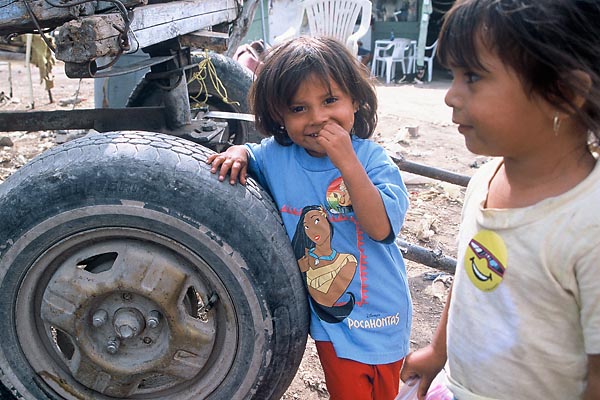
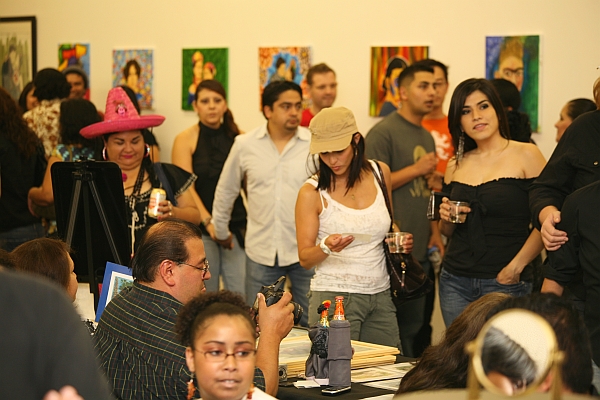
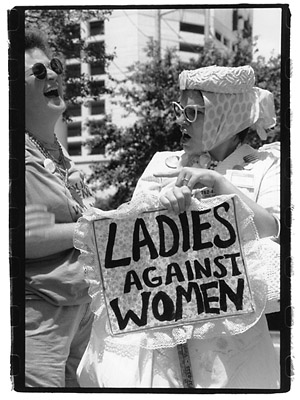
I'm just beginning to look over hundreds of thousands of files I need to archive and make available for people. Tens of thousands of documents need to be digitized and utilized - one way or another - on the Internet, in exhibits, and/or publications in the short term. The quality should be as good as possible. But producing the highest quality will be a difficult problem, because there are not just five or fifty documents that people are interested in and frequently ask me about; there are 500 to 5,000. Once many of the files are available, interest will likely grow.
The task is not just about prints and negatives, but many other kinds of documents, including audio, slides, printed materials, etc. I will utilize an assortment of crowd source funding, program services and publications to pay the costs and make documents available through the Houston Story website (since most of the files relate to Houston music, events, issues, etc.) and Digital Story Resource Center.
Updates will be found at: www.digitalstory.org and www.houstonstory.org.
See more sample images.
|
|
Fast Runner Publications
I believe the new line of publications, drawing from document archives and past features, along with new writing and photography, will be published in a series identified as Fast Runner. It is an idea that comes from co-workers in the event services industry and Mexico's Tarahumara Indians, who I hiked along with up and down the steep walls of Copper Canyon numerous times before a very different kind of running took over the region.
I will provide links to publications on Lulu, Create Space and Cafe Press. These will make great personal keepsakes and holiday gifts, not to mention valuable resources and educational materials. Stay tuned.
|
|
|
|
|
Features and Editorials
As everyone who knows me is aware, I have a few visionary ideas for Houston and the Dallas-Fort Worth areas that I like to share, mostly focused on the value of cultural diversity, how to develop beneficial cultural resources, the urgent need for improved cultural literacy and education, and local economics.
I will soon provide links to a few past editorials and new ones that are in the works.
|
|
|
|
Organization History
I look forward to sharing the wealth of program history that was the core of Houston Institute for Culture during the time I was involved. As I look through past files and fliers, I find this also involves the histories of other organizations (through involvement and co-sponsorships) that should be told.
See photos of Carnival Connection and Houston's Juneteenth Celebration on Facebook.
Follow these links to find preliminary program history: HIFC@12, facebook.com/houston...
Information about former programs can be found at www.june 19.org and www.doscabezas.org.
|
|
Audio Archives
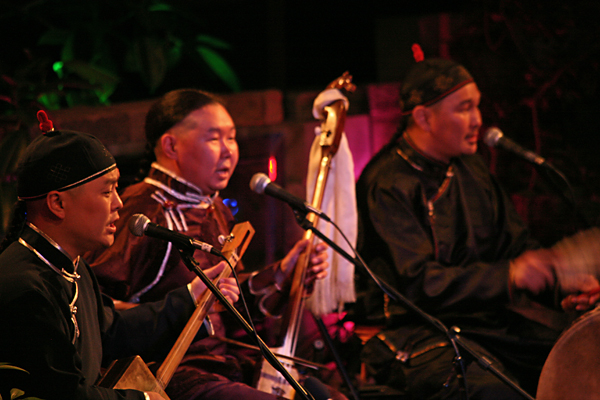
Several interview excerpts (including Joe Sample and Ed Poullard) can be heard at www.soundcloud.com/houstonstory. As I have time, numerous audio excerpts from programs and oral histories, along with very interesting youth program materials, will be shared.
|
|

|
|
Radio Productions
Several new radio productions are in the works. They will be presented on radio in Houston and Dallas-Fort Worth.
Naturally, since I have extensive knowledge and radio experience in these areas, they feature world music and regional historical music. I will post the air dates and times as soon as I know them.
|
|
Fine Tune Productions
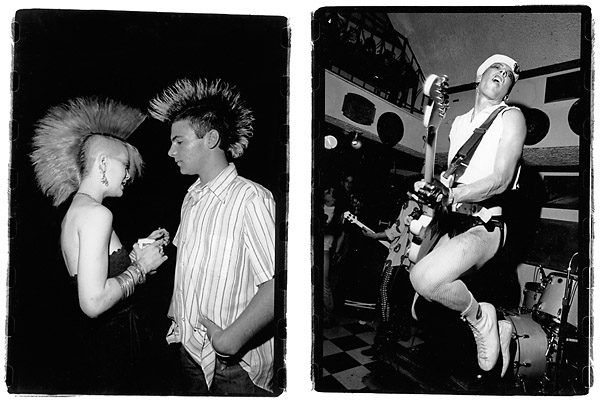
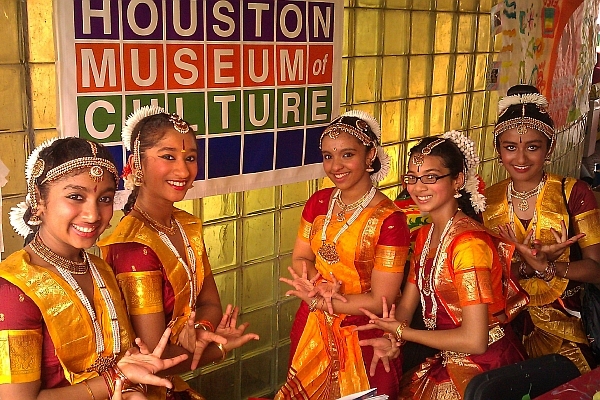
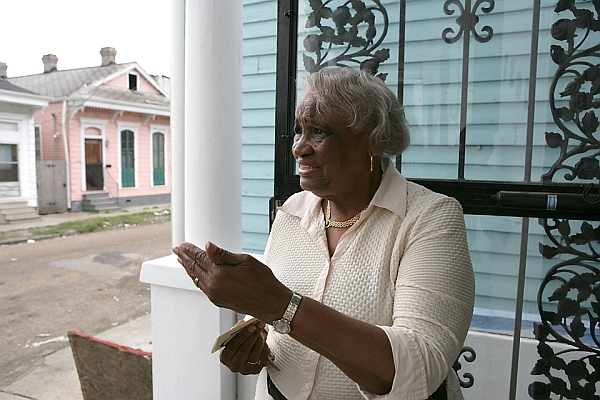
Fine Tune Productions, a service program of the woman-owned business Elemental Services, benefits the Digital Story Resource Center. Learn more at www.digitalstory.org/ft.
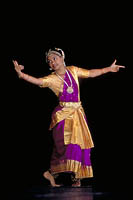
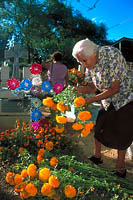
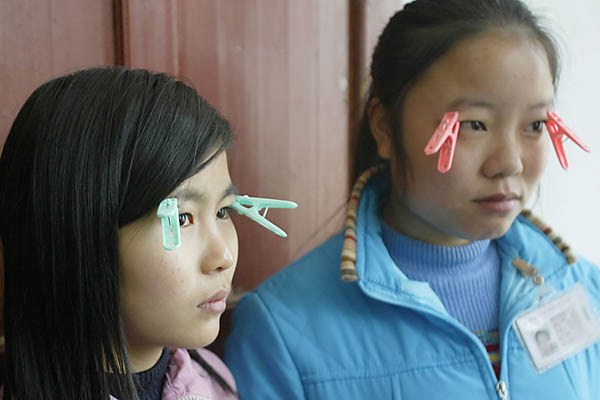
Several sample photos are shown below. Link to more examples.
|
|

|
|
Film Screenings
I have had great success in the past bringing unexpected audiences to films to learn about issues they may not usually have knowledge or understanding about. A variety of documentary films will be screened in the near future to explore important cultural and social issues.
|
|
Youth Programs
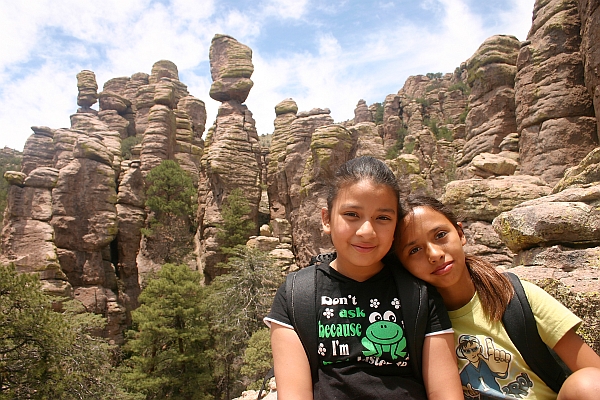
I'm not sure where we will go with the youth programs that were developed for Houston Institute for Culture, but they are needed as much as ever before and there may be a way for volunteers to provide more of them in the future. See examples at the following links:
www.betterhouston.com
www.doscabezas.org
And be sure to learn more about the environmental education program, Houston Cool, below.
|
|
|
|
Future Productions
Knowing the difficulties of producing great arts events, and after having a very tramatic experience with an unscrupulous music promoter, I don't know when I may be interested to offer events again. It is certainly my highest priority to write a book and utilize my archives, but I have dedicated some time to volunteer for events and organizations in the Dallas-Fort Worth area, including Arts Goggle and the J.N. Long Cultural Arts Complex. As time permits, I will add more volunteer activities to my schedule. And if I find the right opportunity, I may even produce events again in the future.
Use this link to look over some events in Houston Institute for Culture's 10 year history.
|
|
Curriculum and Environment
Houston Cool uses trees as a centerpiece to learn about environment, community improvement, civic engagement, and to help students develop a greater appreciation for math and science.
www.houstoncool.org and www.facebook.com/houstoncool
|
|
|
|
Genealogy Research
The most interesting history I have ever learned may be through researching my own family. The story of the Lacys and other lines of my family have provided a very enlightening perspective on history and lessons that could help many others with their view of the world.
The Lacy family first came to England with the Norman king, William the Conqueror in 1066. They went on to live in castles described in the Doomsday Book. Lacy descendents signed the Magna Carta, sided with the House of York in the War of the Roses, and built Ludlow Castle. They even lived in Nottinghamshire during the time of Robin Hood! One Lacy was the first female shipwright (she disguised herself as a man to work on ships) to receive a pension from the British Navy, and another had a scrape with the notorious pirate Blackbeard! Lacys came to Jamestown, Virginia and Biddeford, Maine before the Pilgrims landed, and later fought in the American Revolution, where four key descendents died, making for a difficult genealogy puzzle to piece together.
The unknown mysteries and possible answers are even stranger than the dramatic, collective story of Lacy descendants and dramatic journeys. I found it can be very exciting (and raise interesting questions) to discover family history.
I am interested in connecting with more experienced genealogy researchers and also willing to share the knowledge I have built so far, in order to help those who may be just beginning.
|
|
|
|